Pizza artigianale, made in San Juan
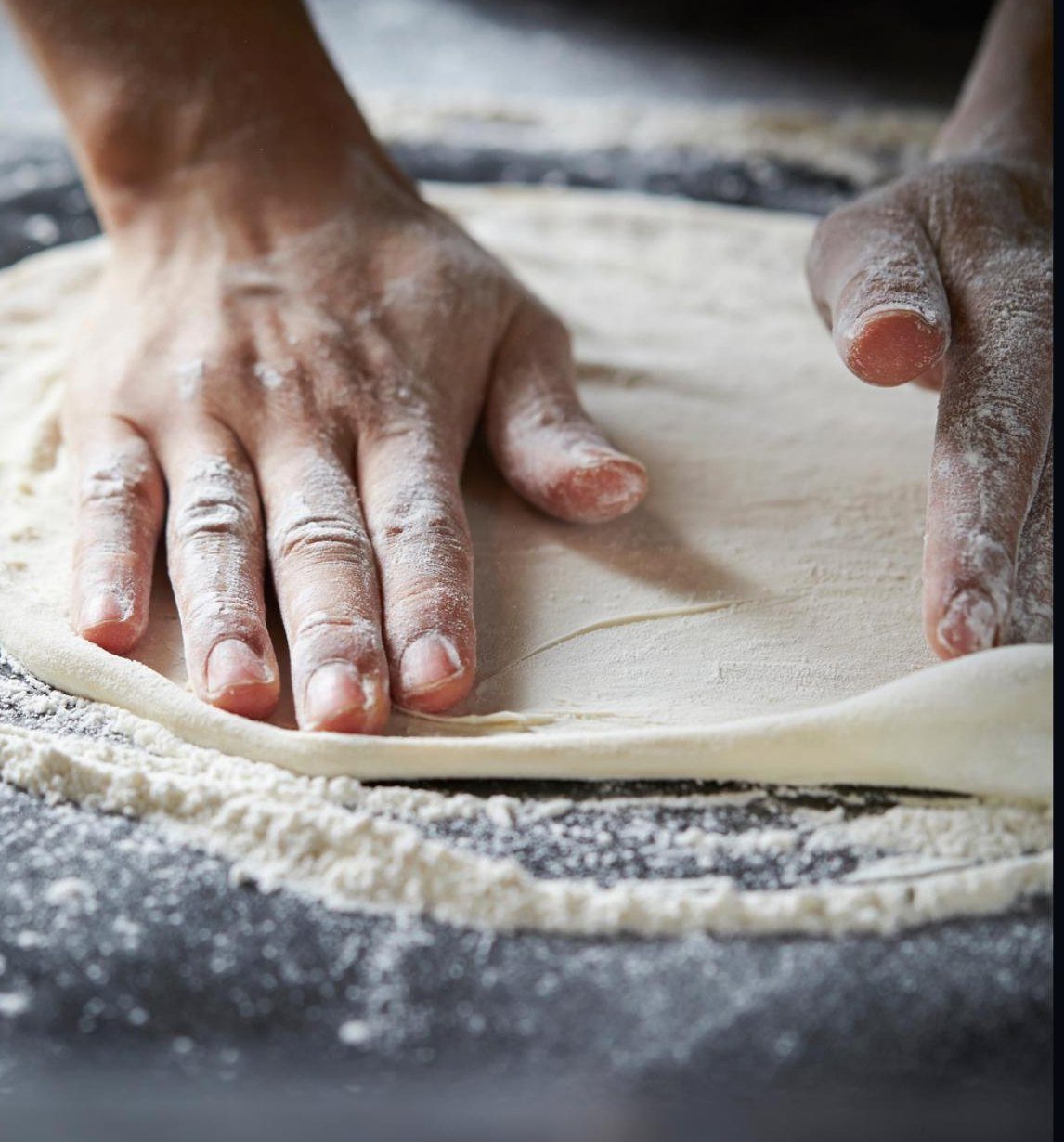
At Biga Pizza Artigianale we make Neo-Neapolitan pizza dough with a living mother dough, guaranteeing authentic flavor and freshness. We produce by hand on Calle Loíza, with capacity for up to 3,000 dough balls a week — offering high-quality products and practical solutions for restaurants, bars and cafés, and for every guest at our table.
The name says it all
In Italian baking, a biga is a pre-ferment — the patient first step that gives great bread and pizza their depth of flavor and airy structure. It is the heart of what we do.
Our mother dough has been fed and kept alive for more than seven years. It gives our crust its complex flavor and its light, blistered texture — and many guests tell us they find it easier to enjoy. From our kitchen on Calle Loíza, we turn that dough into pizzas for our guests and into ready-to-bake dough balls for partners across Puerto Rico.
Wild Culture Artisan Dough. Our starter lives on the wild yeasts and lactic acid bacteria of our own environment. Instead of rushing the dough with commercial yeast, we let these natural cultures leaven it slowly: they partially consume the flour’s carbohydrates and proteins, lower the dough’s pH and leave behind a deeper, gently tangy sourdough flavor.
Simple ingredients — flour, water, salt and our natural culture. Time, care and craft do the rest.
Neo-Neapolitan, explained
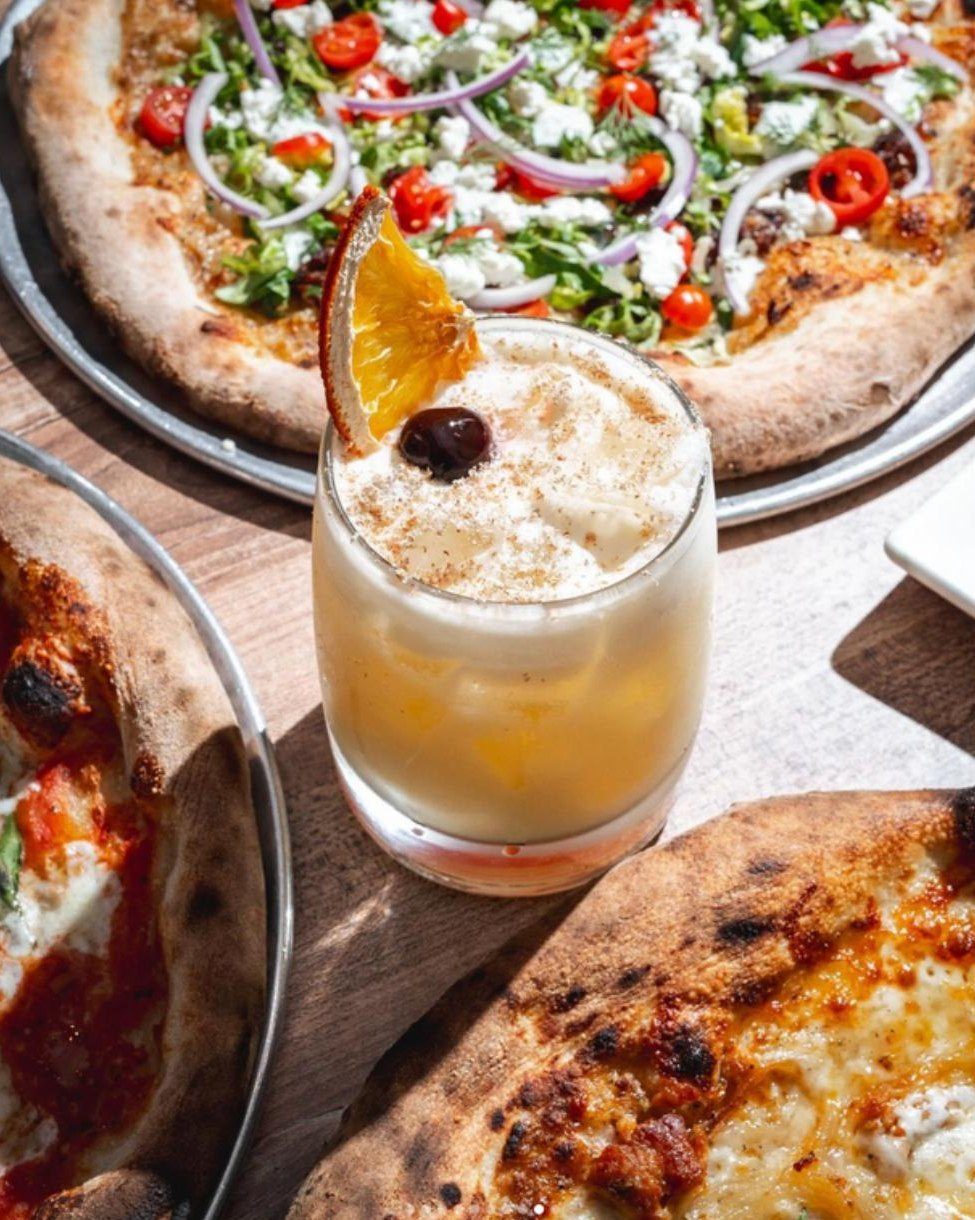
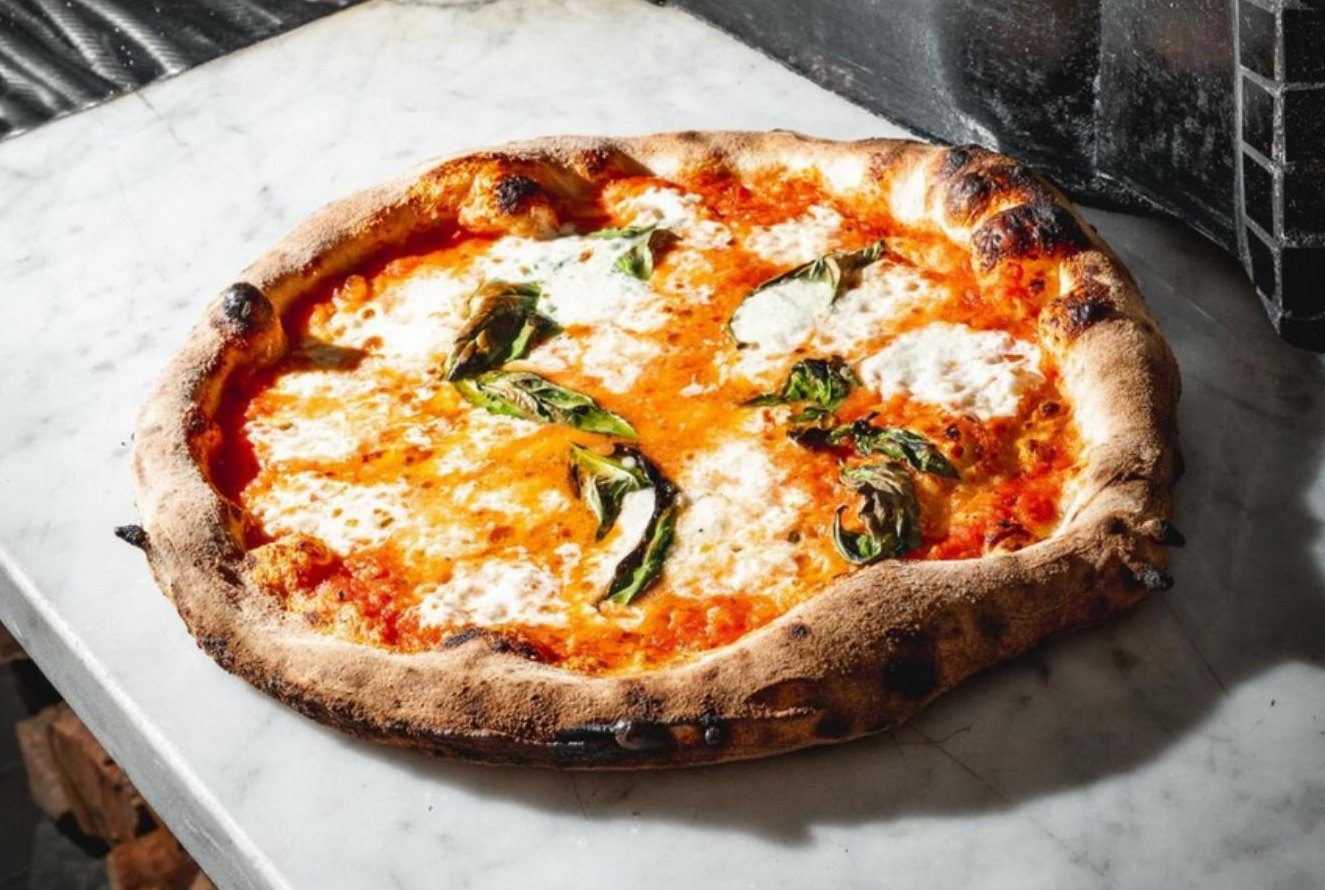
Neo-Neapolitan pizza is a more creative take on traditional Neapolitan pizza. It keeps what makes Naples special — a soft, light crust and a tall, airy, leopard-blistered cornicione — while giving us freedom in method and toppings.
Wild culture dough
Raised by our 7+ year mother dough, a natural culture of wild yeasts and lactic acid bacteria.
Long fermentation
Our dough ferments naturally for 48–72 hours, building flavor and an open, airy crumb.
Fired hot and fast
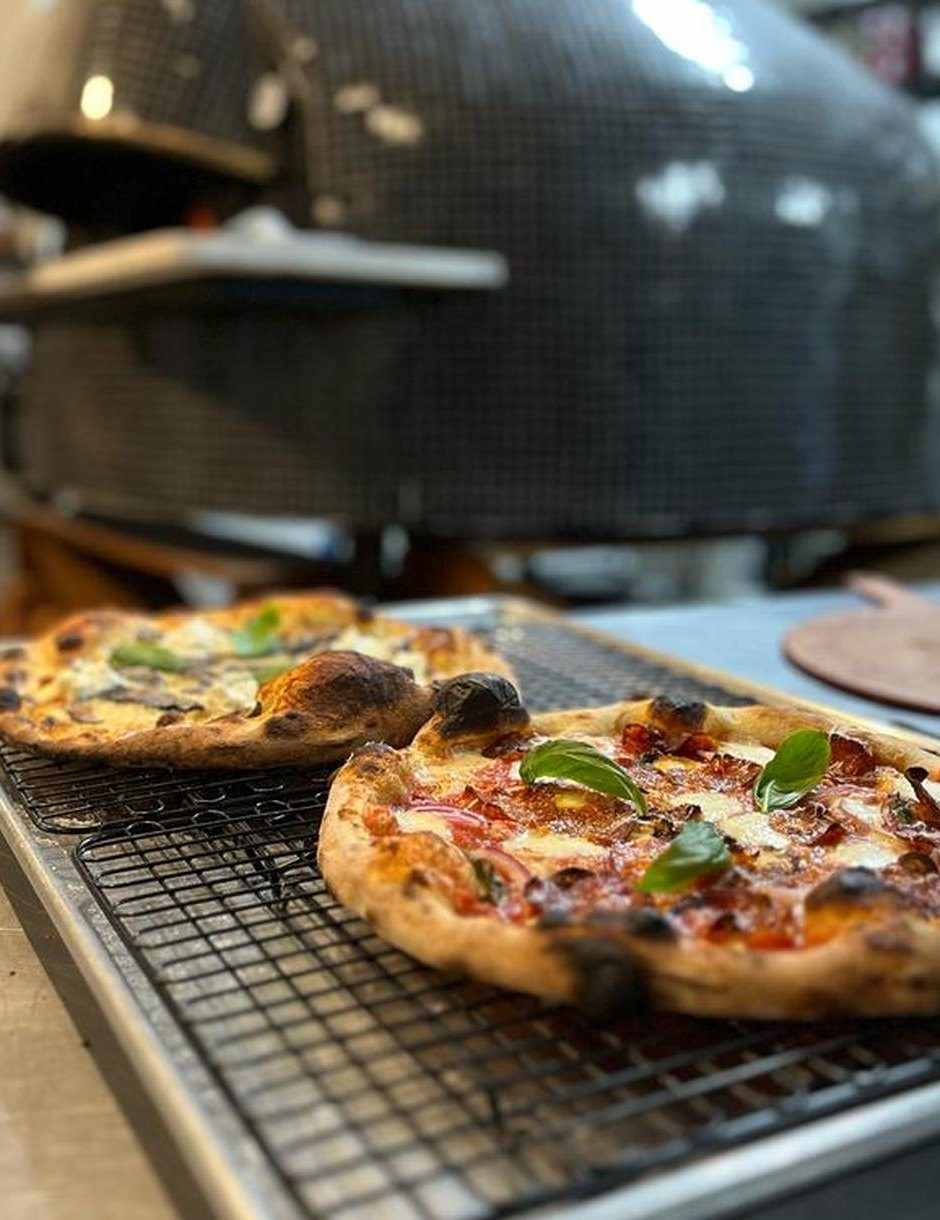
Baked at 700–800°F in our Acunto oven, handmade in Naples, for a crisp, blistered rim and a tender center.
Creative toppings
Classic Italian ingredients alongside our own Mediterranean and Puerto Rican-inspired combinations.
Fire, stone and time
Our pizzas are baked in an authentic Acunto Mario oven, handmade by the Acunto family of Naples in its low Vulcano dome shape. Its dome is laid by hand from refractory firebrick, and its floor is biscotto di Sorrento — the traditional fired-clay baking surface of the Naples region.
The floor
Biscotto di Sorrento stores heat deep in the clay and releases it gently by conduction, so the base crisps and spots without scorching.
The vault
A low, rounded dome reflects heat straight down onto the pizza and keeps hot air moving across the top, cooking toppings and crust together.
The heat
Radiant heat from the dome and flame, convection in the chamber and conduction from the floor work at once — puffing the rim into an airy, leopard-spotted cornicione.
The bake
At these temperatures our pizza bakes in about a minute and a half, sealing moisture into a soft, tender center.
Fire and stone finish what our Wild Culture Artisan Dough begins: days of slow natural fermentation fill the dough with tiny gas bubbles that the heat expands in seconds.
Why slow, wild fermentation matters
Our Wild Culture Artisan Dough ferments slowly with wild yeasts and lactic acid bacteria. Food-science research on sourdough points to several ways this traditional process changes the dough.
Light and airy
Natural fermentation fills the dough with fine gas bubbles, so the crust bakes up light, open and airy rather than dense.
Fewer fermentable carbs
Studies from Monash University found lower levels of fructans — a FODMAP that can bother people with sensitive digestion — in traditionally fermented sourdough than in standard bread.1, 2
Gentler on blood sugar
The acids made during fermentation can slow starch digestion, and research links sourdough to lower glycemic responses than conventional yeasted bread.3
Minerals and protein
The lower pH helps the flour’s own enzymes break down phytate, which can improve mineral availability, and fermentation partially breaks down grain proteins.3
Simple ingredients
Flour, water, salt and our natural culture — no preservatives or additives in our dough.
Results depend on the flour, the cultures and the fermentation time, and everyone digests food differently. Many people find naturally leavened pizza lighter to enjoy.
Our dough is made with wheat and contains gluten. It is not gluten-free and is not suitable for people with celiac disease or a wheat allergy. This is general information, not medical advice.
- Monash University FODMAP, “Sourdough processing & FODMAPs.” monashfodmap.com
- Monash University FODMAP, “How can the ancient process of sourdough create bread for people with IBS?” monashfodmap.com
- Poutanen K, Flander L, Katina K. “Sourdough and cereal fermentation in a nutritional perspective.” Food Microbiology 26 (2009): 693–699. doi:10.1016/j.fm.2009.07.011
Mission & Vision
To craft authentic Neo-Neapolitan pizza from a living mother dough, made locally in San Juan, and to deliver an exceptional culinary experience with uncompromising quality — at our table and in the kitchens of the businesses we serve.
To be Puerto Rico's reference for artisanal, naturally leavened pizza: a local producer whose mother dough, simple processes and consistent quality elevate restaurants, bars and cafés across the island.
What we stand for
Commitment to quality
An exceptional culinary experience in every slice — no shortcuts.
Simplicity
Smart processes that save time and effort without compromising flavor.
Local production
Made by hand on Calle Loíza, San Juan, for freshness you can taste.
Mother dough
A living tradition, kept alive for more than seven years.